Who we are
R-FETPV is a regional field epidemiology training program for veterinarians, hosted by the Department of Livestock Development (DLD), Ministry of Agriculture and Cooperatives, Thailand.
About the Program
The Program is delivered in partnership with the Food and Agriculture Organization of the United Nations (FAO), Thailand’s Field Epidemiology Training Program (FETP) for human health professionals, and Thai universities. It is modeled on the Thai FETP and follows the same core principle: learning through providing services. Trainees are serving government veterinarians who remain in post, and the work they produce during training is work their veterinary service needs.
R-FETPV and Thai FETP run a joint one-month introductory course each year, bringing together professionals from human health, animal health, wildlife health and aquatic animal health, from both the public and private sectors.
The Program’s development, training model and role in the region are described in a peer-reviewed article by the R-FETPV Coordination Unit and its partners:
Premashthira S, Prarakamawongsa T, Chanachai K, Dejyong T, Wongsathapornchai K, Tang H, Castellan D, Iamsirithaworn S, Jiraphongsa C, Kalpravidh W. Building regional resilience through veterinary epidemiology training: Reflections from the Regional Field Epidemiology Training Program for Veterinarians (R-FETPV) in Asia-Pacific. Prev Vet Med. 2026 Aug;253:106883. doi: 10.1016/j.prevetmed.2026.106883
Subscription required. For reprint enquiries, contact the R-FETPV Coordination Unit.
R-FETPV was built in response to a problem no single country can solve on its own.
The challenge
Early detection and early response to emerging infectious diseases (EID) depend on people who can do epidemiology in the field, not only in the laboratory.
Highly pathogenic avian influenza, SARS, Nipah virus and other emerging diseases have shown how quickly an animal health event becomes a human health, trade and economic event. Transboundary animal diseases (TAD) move across borders faster than the institutions that must respond to them. The social, economic and political costs are well documented.
Across Asia and the Pacific, the number of veterinarians trained in field epidemiology remains far below what national veterinary services need. The veterinary field epidemiologist works alongside medical epidemiologists and provides the animal health evidence that prevention and control decisions depend on.
Our response
R-FETPV was developed to describe and analyze the frequency and distribution of animal and zoonotic diseases. To detect, respond to and control diseases early and sustainably, the following issues must be addressed:
- Veterinary field epidemiologists must be trained who possess the competencies and skills needed to meet the needs of government services, particularly disease prevention and control
- Joint training of veterinarians and medical epidemiologists is needed that strengthens informal and formal links between animal health and human health activities for emerging infectious diseases, fostering a spirit of collaboration
- Informal and formal epidemiology networks are established to meet the challenge of transboundary animal diseases impacting animals, humans and the environment
- The value and positive impact of epidemiology must be communicated to government administrators through advocacy
- Stable and sustainable epidemiology units with dedicated personnel must be established at the national level
- Effective and timely surveillance data, animal health situation assessment, outbreak investigation and surveillance activities resulting from R-FETPV support science-based recommendations for government decision makers
Our vision
R-FETPV aims to be a leading program in veterinary field epidemiology, committed to advancing epidemiology knowledge and skills in the Asia-Pacific region. It seeks to foster a strong regional network for addressing animal and zoonotic disease threats using a One Health approach, through effective training, research, surveillance, investigation, and disease prevention and control.
To enhance the knowledge and skills of R-FETPV trainees and alumni, and to collaborate with FETPV networks in applying field epidemiology.
To sustainably support national animal health service providers to fulfill their mandates for reducing the burden of disease, in cooperation with One Health partners, by providing reliable, transparent, evidence-based recommendations to inform policy practices and decisions.
Our objectives
Deliver training
Deliver a sustainable and fit-for-purpose training program to strengthen field epidemiology capacity and resilience for managing animal and zoonotic disease emergencies.
Use what the Program produces
Improve the utilization of program outputs and ensure sustainable institutional arrangements around good governance, monitoring and evaluation, funding support and advocacy.
Connect people
Strengthen functional networks and communication of R-FETPV alumni, trainees and mentors to support timely and coordinated responses to animal health and One Health emergencies.
Work across sectors
Strengthen mechanisms to promote multisectoral and multidisciplinary collaboration at national, regional and global levels.
Our team
The R-FETPV Coordination Unit sits within the Bureau of Disease Control and Veterinary Services at DLD headquarters in Bangkok.
R-FETPV Coordination Unit
Department of Livestock Development, Thailand
 Dr. Sith PremashthiraProgram Manager
 Dr. Tippawon PrarakamawongsaProgram Coordinator
 Dr. Arisara EurwilaichitProgram Veterinarian
 Ms. Sujira NgaojanSecretary
 Ms. Navaporn BunjongsattapornAccountant
FAO coordinators
FAO Regional Office for Asia and the Pacific
 Dr. Hao Tang
 Dr. Kitikhun Udom
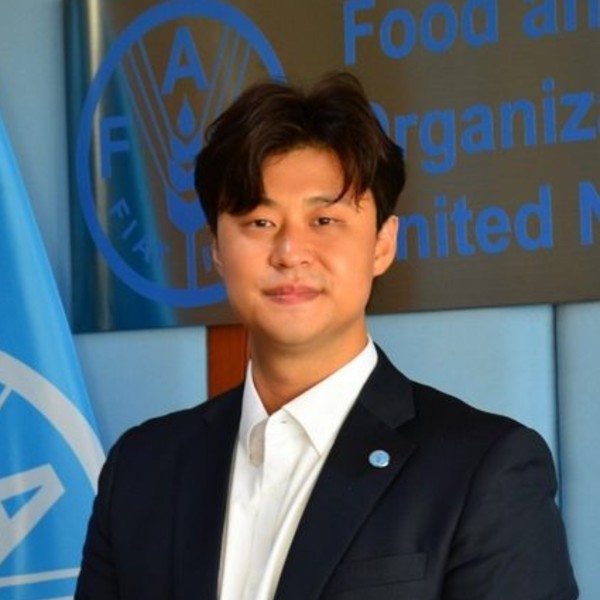 Dr. MuGyeom Moon
Our partners
R-FETPV is delivered and supported in collaboration with government, international and academic partners.








Address : 69/1 Phraya Thai Rd, Ratchathewi Bangkok, Thailand 10400
Phone No. : +66 (0)80-698-7632 · +66 (0)2-653-4444 ext.4143
E-mail :